

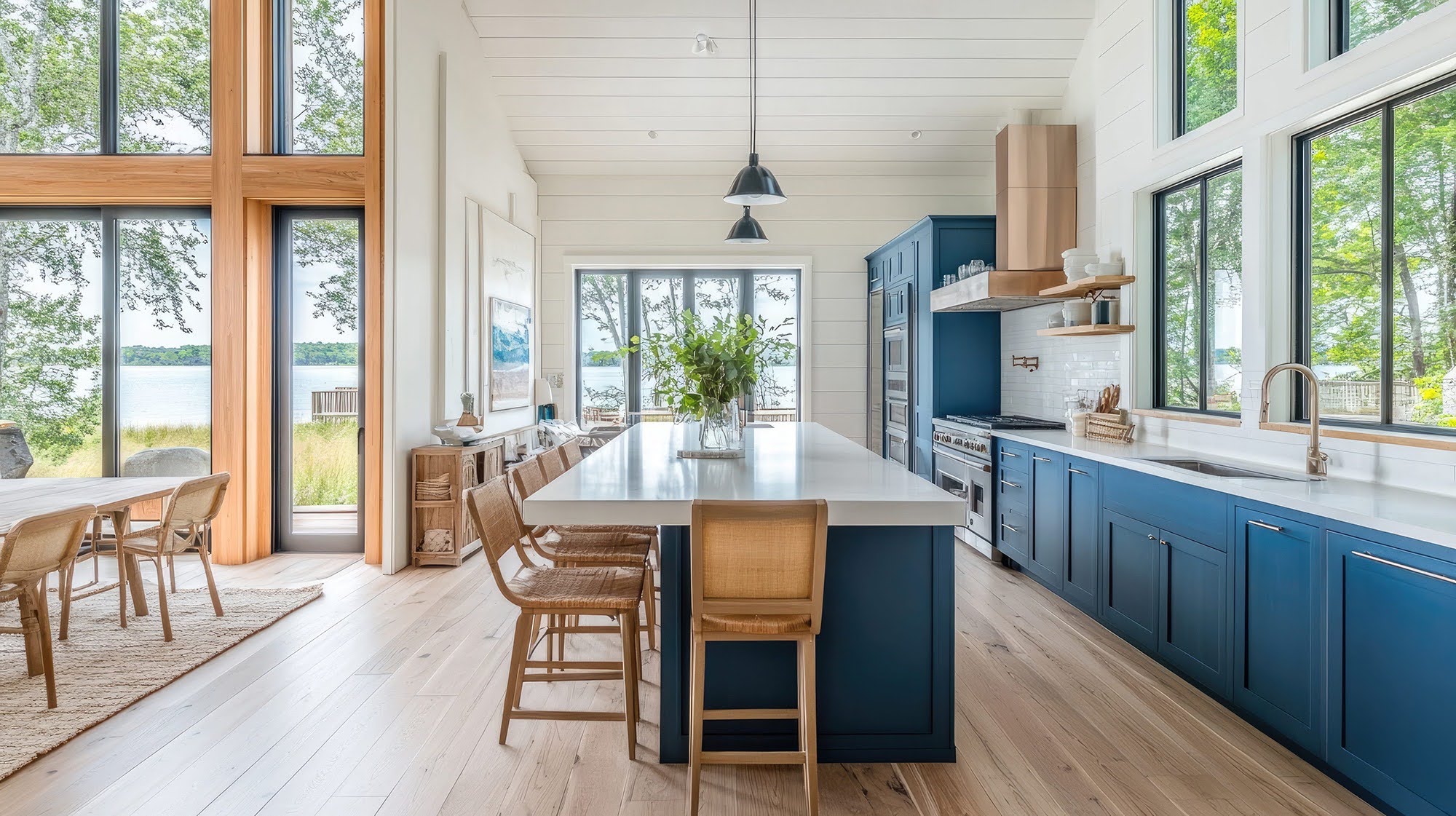
New hardwood flooring can completely transform a home, adding beauty, value, and durability that homeowners can enjoy for years. With countless online tutorials and home improvement videos available today, some homeowners consider tackling hardwood installation themselves to save money.
At Top Floors, homeowners throughout Virginia Beach, Chesapeake, Norfolk, Portsmouth, and Suffolk often ask whether hardwood flooring is a realistic DIY project. While installing flooring may appear straightforward, successful hardwood installation involves far more than simply fitting boards together. From moisture testing and subfloor preparation to layout planning and acclimation, professional installation helps avoid costly mistakes that can impact both appearance and performance.
Understanding the differences between professional installation and DIY flooring projects can help homeowners make a more informed decision before investing in new floors.
Hardwood Flooring Is More Complex Than Many People Realize
One of the biggest misconceptions about hardwood flooring is that installation begins when the planks arrive at the house.
In reality, professional installers spend significant time evaluating conditions before the first board is installed.
This includes:
Inspecting the subfloor
Testing moisture levels
Measuring rooms accurately
Planning plank layout
Reviewing transition requirements
Evaluating environmental conditions
Skipping or rushing these steps often leads to problems months after installation is complete.
Professional Installers Understand Local Conditions
Virginia Beach and the surrounding Hampton Roads region present unique environmental challenges for hardwood flooring.
Local homes frequently experience:
Elevated humidity
Seasonal moisture fluctuations
Crawl space moisture concerns
Coastal weather conditions
Professional installers understand how these factors affect hardwood performance and adjust installation methods accordingly.
Proper moisture management is one of the most important factors influencing floor longevity, and it is often overlooked in DIY projects.
Moisture Testing Helps Prevent Expensive Problems
Moisture is one of the leading causes of hardwood flooring failures.
Professional flooring installers use specialized equipment to evaluate moisture levels in:
Wood subfloors
Concrete slabs
Crawl spaces
Hardwood materials
Without proper testing, homeowners may unknowingly install hardwood over unsuitable conditions.
Potential consequences include:
Cupping
Crowning
Gapping
Buckling
Premature floor damage
A professional assessment starts with a free estimate, helping identify potential concerns before installation begins.
Subfloor Preparation Is Often the Difference Between Success and Failure
Many flooring issues originate below the surface.
Professional installers inspect subfloors for:
Uneven areas
Structural concerns
Moisture damage
Movement or instability
Existing flooring complications
Correcting these issues helps ensure the finished floor feels solid and performs as expected.
DIY installations sometimes overlook hidden subfloor problems because they are not immediately visible.
Even premium hardwood products may experience issues if installed over an improperly prepared foundation.
Proper Acclimation Protects Hardwood Floors
Hardwood flooring naturally expands and contracts based on environmental conditions.
Professional installers follow manufacturer guidelines for acclimation by:
Delivering materials before installation
Monitoring indoor climate conditions
Measuring moisture content
Allowing flooring to adjust to the home environment
Skipping acclimation can result in:
Excessive movement
Seasonal gaps
Cupping
Crowning
Because Virginia Beach experiences fluctuating humidity levels throughout the year, acclimation is especially important for local hardwood installations.
Layout Planning Requires Experience
A hardwood floor's appearance depends heavily on proper layout.
Professional installers carefully evaluate:
Room dimensions
Natural light sources
Hallway alignment
Furniture placement
Architectural features
Staircase connections
The goal is to create a visually balanced floor that enhances the home's design.
DIY installers often focus on board placement without considering how layout decisions affect the overall appearance of the finished project.
Homeowners can explore available styles and formats when they browse hardwood flooring.
Expansion Gaps Are Easy to Get Wrong
Hardwood floors need room to expand and contract throughout the year.
Professional installers intentionally leave expansion gaps around:
Walls
Cabinets
Islands
Fireplaces
Built-in features
Stair structures
These gaps are later concealed with trim and molding.
Without adequate expansion space, hardwood flooring may develop:
Buckling
Joint stress
Movement issues
Uneven surfaces
This is one of the most common mistakes found in DIY flooring projects.
Professional Tools Deliver Professional Results
Successful hardwood installation requires more than standard household tools.
Professionals often utilize:
Moisture meters
Specialty saws
Flooring nailers
Layout tools
Leveling equipment
Installation-specific fastening systems
Using the proper equipment helps ensure precision and consistency throughout the project.
Many homeowners underestimate the cost and learning curve associated with acquiring and using these tools correctly.
Time Savings Matter
DIY projects often take significantly longer than anticipated.
Professional installers work efficiently because they perform flooring installations regularly and understand how to anticipate challenges before they become delays.
Professional installation helps reduce:
Project disruptions
Unexpected setbacks
Installation errors
Rework requirements
For busy families, shorter project timelines often provide significant value.
Warranties and Manufacturer Requirements
Many flooring manufacturers provide installation guidelines that must be followed to maintain product warranties.
Professional installers typically understand:
Product requirements
Environmental specifications
Installation standards
Maintenance recommendations
Improper installation may affect manufacturer warranty coverage and create difficulties if issues arise later.
Following professional installation standards helps protect your investment.
Comparing Hardwood, Laminate, and LVP Installation
The value of professional installation extends beyond hardwood flooring.
Hardwood Flooring
Hardwood installations require:
Moisture testing
Acclimation
Expansion management
Precise subfloor preparation
Homeowners can browse hardwood flooring to explore available options.
Laminate Flooring
Laminate installations depend on:
Proper subfloor leveling
Expansion space
Transition planning
Correct underlayment selection
Explore available styles by browsing laminate flooring.
Luxury Vinyl Plank (LVP)
LVP installation requires:
Flat subfloors
Precise locking systems
Proper transitions
Manufacturer-specific installation methods
Many homeowners compare styles when they browse luxury vinyl flooring.
Regardless of material, professional installation helps maximize performance and longevity.
Long-Term Value Often Outweighs Short-Term Savings
DIY projects may appear less expensive initially, but mistakes can create additional costs later.
Professional installation helps reduce the risk of:
Premature floor failure
Corrective repairs
Material waste
Moisture-related damage
Aesthetic issues
In many cases, investing in professional installation protects the overall value of the flooring project.
Why Homeowners Choose Professional Installation
Homeowners throughout Hampton Roads often choose professional installation because it provides:
Expert project management
Accurate measurements
Proper moisture testing
Professional preparation
Efficient installation
Long-term peace of mind
Professional installers understand the details that many homeowners never see but that significantly affect the floor's long-term performance.
A personalized Shop At Home consultation allows homeowners to evaluate options while receiving recommendations specific to their home and lifestyle.
Invest in Beautiful Floors Installed the Right Way
Hardwood flooring is a significant investment, and installation quality plays a major role in how well those floors perform over time. While DIY projects can be tempting, professional installation helps eliminate uncertainty and ensures critical details are handled correctly from the start.
For homeowners in Virginia Beach, Chesapeake, Norfolk, Portsmouth, and Suffolk, working with experienced flooring professionals can help ensure your new floors deliver the beauty, durability, and performance you expect.
To get started:
Visit our Virginia Beach showroom
Explore our collection of hardwood flooring
Learn more about our flooring installation services
Schedule a convenient Shop At Home consultation
Request a free estimate for your upcoming flooring project
Contact our team with questions about hardwood, laminate, or LVP installation
With expert planning, skilled craftsmanship, and professional installation, your new floors can provide lasting beauty and value for years to come.


