

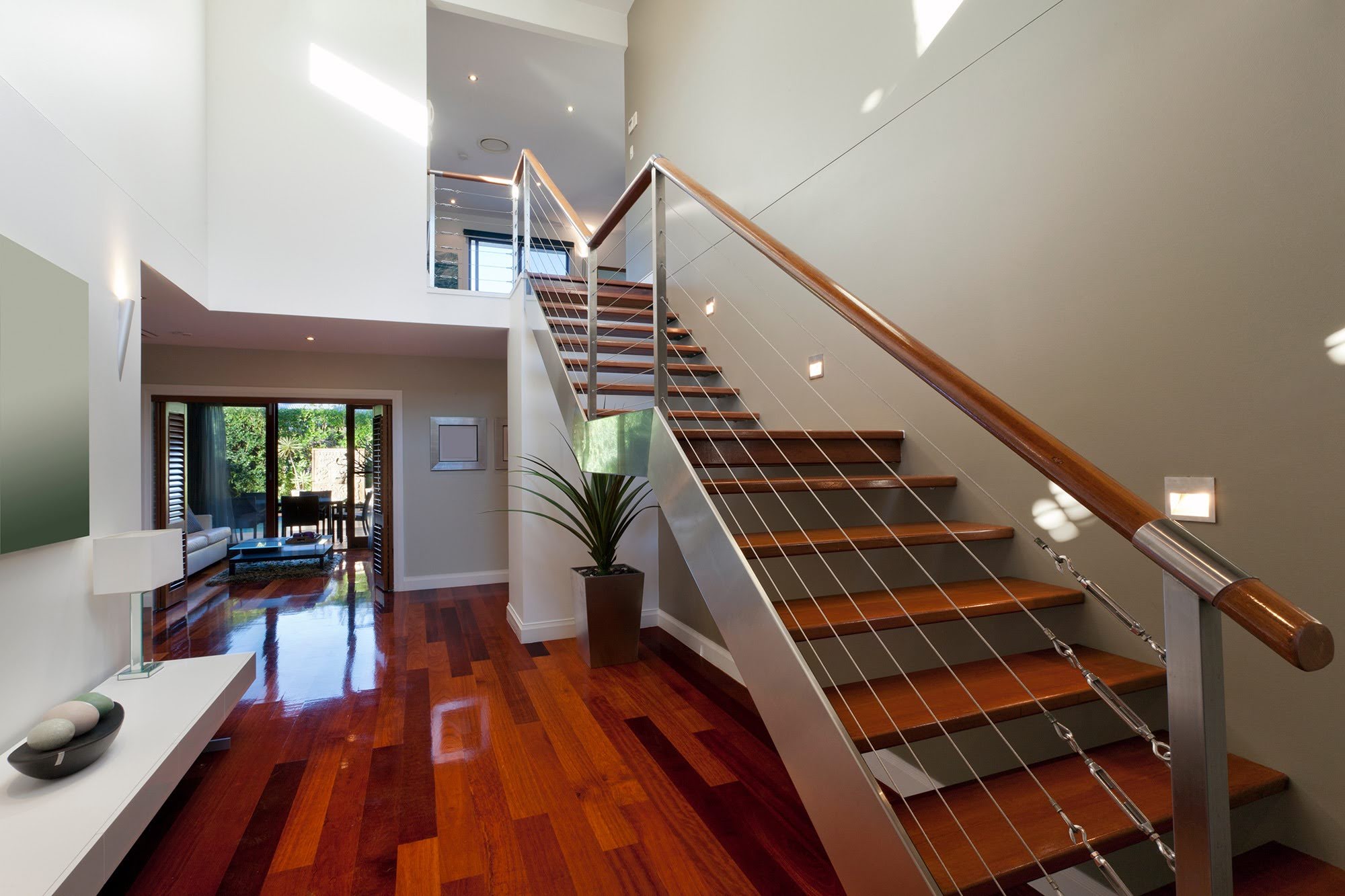
Hardwood stair installation is one of the most detail-oriented parts of a flooring project. Unlike flat surfaces, stairs require precise measurements, proper fastening, and careful attention to safety and building standards. In Virginia Beach, VA, where homes range from coastal cottages to multi-level family houses, professionally installed hardwood stairs make a major impact on both appearance and functionality.
This guide explains how hardwood stair installation works, the role of treads, risers, and nosings, and the safety details that matter most for homeowners in Virginia Beach and nearby areas like Chesapeake, Norfolk, Portsmouth, and Suffolk.
Why Hardwood Stair Installation Requires Professional Expertise
Stairs are high-traffic areas that must handle constant foot traffic, weight, and movement. Poor installation can lead to:
Loose or squeaky steps
Uneven heights that create tripping hazards
Visible gaps or cracking over time
Premature wear on stair edges
Professional installers understand how to build hardwood stairs that are both visually seamless and structurally sound. Many homeowners start the process by visiting the Top Floors showroom in Virginia Beach to review stair-specific hardwood options and discuss installation details.
Understanding the Main Components of Hardwood Stairs
Hardwood stair installation involves more than simply attaching wood to steps. Each component plays a specific role in safety, durability, and appearance.
Stair Treads
Treads are the horizontal surfaces you step on. They are the most important structural and visual element of a staircase.
Key considerations for stair treads include:
Thickness and strength for long-term durability
Matching hardwood species and finish to nearby floors
Proper fastening to prevent movement or squeaks
In Virginia Beach homes, installers often recommend solid hardwood treads for their strength and classic look.
Stair Risers
Risers are the vertical sections between each tread. They can be:
Finished with hardwood
Painted for contrast
Covered with matching material for a seamless look
Riser height must be consistent from step to step to meet safety expectations and avoid trip hazards.
Stair Nosings
Nosings are the rounded or extended front edges of stair treads. They are critical for both safety and visual continuity.
Proper nosing installation:
Protects the stair edge from wear
Improves traction and visibility
Creates a finished transition between steps
In many cases, custom or matching nosings are used to coordinate with the hardwood flooring installed on adjacent levels.
Common Hardwood Stair Installation Methods
Professional installers choose the installation method based on stair structure, existing conditions, and the desired finished look.
Typical methods include:
Installing hardwood treads over existing stair frames
Replacing old carpeted stairs with solid hardwood components
Retrofitting stairs to match newly installed hardwood floors
Each method requires precise cutting, fastening, and finishing to ensure durability and safety.
Matching Hardwood Stairs to Your Floors
One of the most common goals in stair installation is visual consistency. Hardwood stairs often serve as a focal point, especially in open floor plans.
Professional installers help homeowners:
Match stair treads to existing hardwood floors
Coordinate finishes and plank widths
Choose between solid or engineered hardwood depending on location
Many homeowners explore available options by browsing hardwood flooring before finalizing stair materials.
Safety Details That Matter on Hardwood Stairs
Safety is a top priority during stair installation, especially for families with children, pets, or elderly residents.
Important safety considerations include:
Consistent tread depth and riser height
Secure fastening to eliminate movement
Proper nosing profiles for foot placement
Adequate traction, especially in socks or bare feet
Installers also ensure stairs align properly with landings and adjacent flooring for smooth transitions.
Building Code and Practical Compliance
While specific building codes vary, professional installers follow widely accepted standards to ensure stairs are safe and functional.
This includes attention to:
Uniform step height
Proper overhang on nosings
Secure attachment to stair stringers
Clean transitions at top and bottom landings
Professional installation helps ensure your hardwood stairs are built correctly from day one.
Timeline for Hardwood Stair Installation
Hardwood stair installation is typically completed as part of a larger flooring project or as a standalone upgrade.
Most projects follow this general timeline:
In-home evaluation and measurements
Material selection and planning
Stair preparation and removal of old finishes
Installation of treads, risers, and nosings
Final adjustments and cleanup
The exact schedule is discussed during a consultation when homeowners request a free estimate.
Living in Your Home During Stair Installation
In many cases, homeowners remain in their homes while stairs are being installed. Installers plan the project carefully to:
Minimize disruption
Maintain safe access between floors when possible
Complete work efficiently and cleanly
Clear communication helps homeowners prepare for temporary changes during installation.
When Hardwood Alternatives Make Sense for Stairs
While hardwood stairs are a popular choice, some homeowners explore alternatives based on lifestyle or budget.
Laminate stair options may work for:
Budget-conscious renovations
Low-traffic staircases
Matching laminate flooring installations
You can compare options by browsing laminate flooring.
Luxury vinyl plank (LVP) stair solutions are ideal for:
Homes near the coast
Families needing enhanced moisture resistance
Projects prioritizing easy maintenance
Many homeowners review options by browsing luxury vinyl flooring before deciding.
Why Local Experience Matters for Stair Installation
Homes in Virginia Beach and surrounding Hampton Roads cities vary widely in age, design, and structure. Local installers understand:
Common stair layouts in coastal homes
Moisture considerations near entryways
How to match stairs to existing flooring styles
This local knowledge ensures a smoother installation process and better long-term results.
Start Your Hardwood Stair Project with Confidence
Hardwood stair installation requires precision, planning, and professional expertise. From treads and risers to nosings and safety details, every component must work together to create a staircase that looks great and performs reliably.
To get started:
Visit the Top Floors Virginia Beach showroom to explore hardwood stair options
Schedule a Shop At Home consultation for personalized recommendations
Request a free estimate to evaluate your stairs and installation needs
With professional installation and attention to detail, your hardwood stairs will enhance the beauty, safety, and value of your Virginia Beach home for years to come.


