

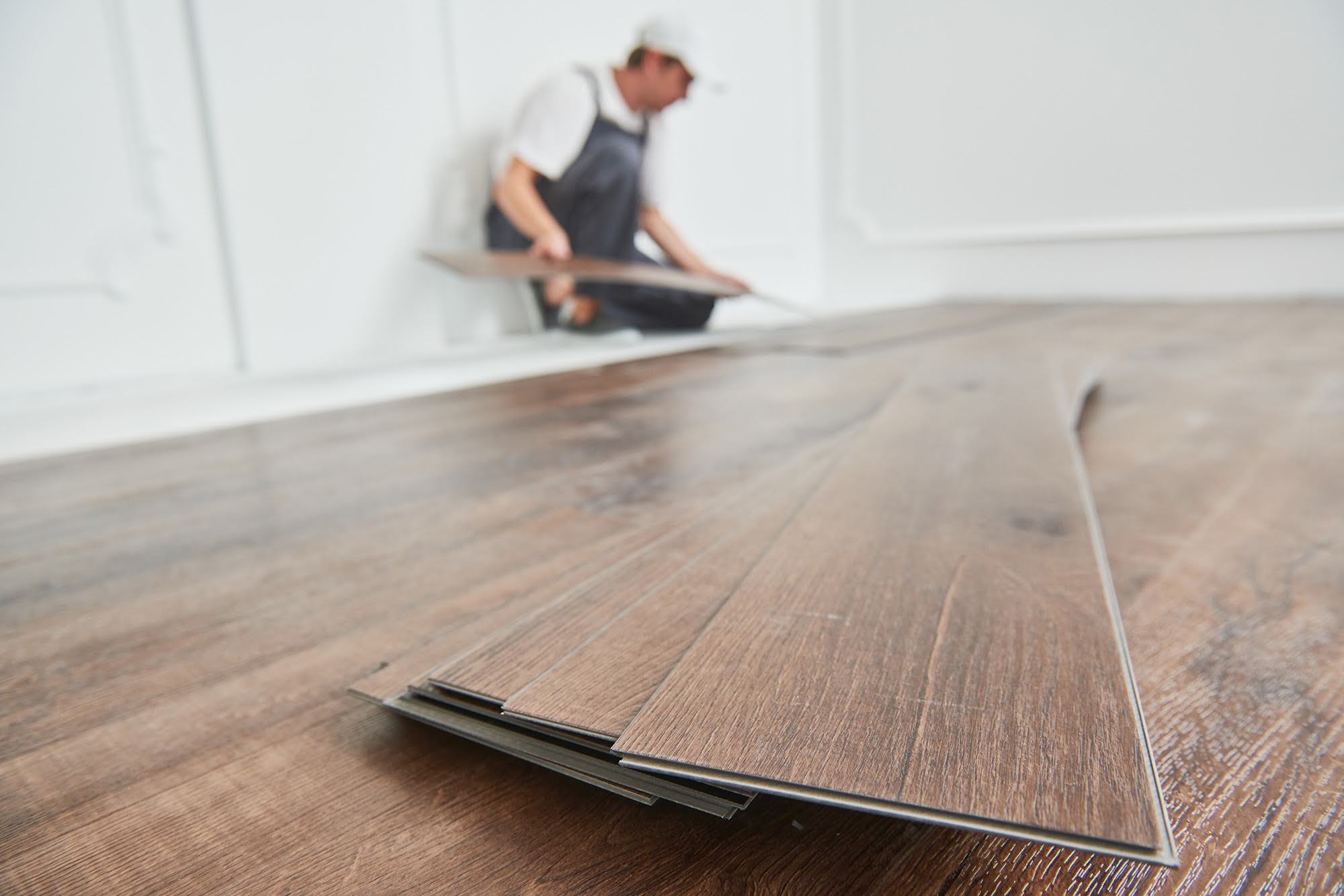
Older homes offer character, craftsmanship, and architectural details that are difficult to replicate in modern construction. From historic neighborhoods in Norfolk to established residential communities in Portsmouth, many homeowners choose hardwood flooring to enhance the beauty and value of their older properties.
At Top Floors, one of the most important lessons homeowners learn is that a successful hardwood installation often depends on what lies beneath the surface. While old flooring may look ready for replacement, the subfloor and structural conditions underneath can significantly impact the installation process, timeline, and long-term performance of new hardwood floors.
Understanding the unique challenges of older homes helps homeowners plan their projects more effectively and avoid unexpected surprises during installation.
Why Older Homes Require a Different Installation Approach
Unlike new construction, older homes often have decades of wear, repairs, renovations, and environmental exposure hidden beneath existing flooring.
Common challenges found in older homes include:
Uneven subfloors
Floor settlement over time
Moisture-related damage
Multiple layers of existing flooring
Structural repairs from previous renovations
Inconsistent floor heights between rooms
These conditions don't prevent hardwood installation, but they do require careful planning and professional evaluation.
What Installers Often Find Beneath Existing Floors
Many homeowners are surprised by what is uncovered once old flooring is removed.
Depending on the age of the home, installers may discover:
Original hardwood floors hidden beneath carpet
Previous flooring layers stacked over one another
Damaged subfloor sections
Old adhesive residue
Patches from previous remodeling projects
Areas affected by moisture intrusion
Because no two homes are exactly alike, a thorough inspection is essential before determining the best installation strategy.
Scheduling a free estimate allows flooring professionals to identify potential concerns before installation begins.
Uneven Floors Are Common in Older Homes
One of the most frequent issues encountered in Norfolk and Portsmouth homes is floor unevenness.
Over time, homes naturally settle, causing subtle shifts in flooring structure. While minor variations are often expected, more significant unevenness may require corrective work before hardwood installation.
Potential causes include:
Foundation movement
Aging support structures
Crawl space issues
Previous remodeling work
Water damage
Proper correction helps ensure the finished hardwood floor feels solid, looks consistent, and performs as expected.
The Importance of Subfloor Evaluation
The subfloor serves as the foundation for your new hardwood flooring.
Professional installers evaluate:
Structural integrity
Moisture levels
Flatness
Fastening stability
Existing damage
Even premium hardwood products can experience issues if installed over a subfloor that has not been properly assessed and prepared.
Subfloor preparation is one of the most important investments homeowners can make in the overall success of their flooring project.
Moisture Concerns in Historic and Older Homes
Many older homes throughout Hampton Roads feature crawl spaces that can contribute to moisture-related flooring issues.
Excess moisture may lead to:
Cupping
Crowning
Expansion problems
Squeaks
Premature wear
Professional moisture testing is particularly important in older homes because hidden moisture problems are not always visible from the surface.
Installers evaluate moisture conditions within:
The subfloor
Crawl spaces
Concrete surfaces
Interior living areas
Addressing moisture concerns before installation helps protect the longevity of the new floor.
Should Existing Hardwood Flooring Be Replaced or Covered?
Many older homes already contain hardwood flooring, leading homeowners to ask whether replacement is necessary.
The answer depends on several factors, including:
Overall floor condition
Structural integrity
Previous repairs
Desired design goals
Installation plans
In some situations, existing hardwood may remain viable. In others, replacement provides the best long-term solution.
Professional evaluation helps determine the most practical and cost-effective approach.
Choosing the Right Hardwood for Older Homes
Selecting the right hardwood flooring is especially important in older properties.
Factors to consider include:
Subfloor type
Home construction
Humidity conditions
Room usage
Desired appearance
Many homeowners choose engineered hardwood because it offers enhanced dimensional stability while maintaining the look of real wood.
Others prefer traditional solid hardwood to complement the character of historic architecture.
Homeowners can compare styles, finishes, and species when they browse hardwood flooring.
Matching New Flooring to Historic Character
One of the advantages of hardwood flooring is its ability to complement a home's original architectural style.
Popular selections for older Norfolk and Portsmouth homes often include:
White oak
Oak-inspired finishes
Wide plank flooring
Traditional plank widths
Natural wood tones
The goal is often to enhance the home's character while improving functionality and long-term durability.
Managing Transitions Between Rooms
Older homes rarely have perfectly uniform floor heights.
As a result, installers often need to plan for transitions between:
Existing flooring materials
Room additions
Renovated spaces
Original sections of the home
Proper transition planning helps create a smooth visual flow while supporting the long-term performance of the flooring system.
When Laminate or LVP May Be Worth Considering
Although hardwood remains the preferred choice for many older homes, some situations may call for alternative materials.
Laminate Flooring
Laminate flooring can provide:
A wood-look appearance
Strong scratch resistance
Cost-effective installation
Durable performance in active households
Homeowners can explore available options when they browse laminate flooring.
Luxury Vinyl Plank (LVP)
Luxury vinyl plank has become increasingly popular for renovation projects because it offers:
Waterproof performance
Excellent durability
Flexible installation options
Compatibility with many subfloor types
For areas with moisture concerns, many homeowners choose to browse luxury vinyl flooring.
Why Professional Installation Matters in Older Homes
Older homes often require more planning and customization than newer properties.
Professional flooring installers understand how to:
Evaluate aging subfloors
Address moisture concerns
Correct uneven surfaces
Manage transitions
Plan expansion requirements
Select the right installation methods
These details can significantly impact how the floor performs over time.
Homeowners interested in professional guidance can review available flooring services before beginning their project.
Preparing for a Hardwood Flooring Renovation
If you're planning hardwood flooring in an older Norfolk or Portsmouth home, preparation is one of the most important steps.
Helpful preparation tips include:
Scheduling a professional assessment early
Discussing renovation goals with installers
Understanding potential subfloor repairs
Planning for furniture relocation
Allowing for proper acclimation before installation
A proactive approach helps keep projects running smoothly and reduces the likelihood of unexpected delays.
A convenient Shop At Home consultation allows homeowners to explore flooring options in the context of their home's unique layout and design.
Give Your Older Home a Strong Foundation for Beautiful New Floors
Older homes offer timeless charm, but successful hardwood installation depends on more than what you see on the surface. Understanding subfloor conditions, moisture concerns, structural considerations, and installation requirements helps ensure your investment delivers lasting value.
Whether you're renovating a historic property in Norfolk, updating a classic Portsmouth home, or restoring character to an older residence elsewhere in Hampton Roads, professional planning can make all the difference.
To get started:
Visit our Virginia Beach showroom
Explore our collection of hardwood flooring
View our professional flooring services
Schedule a Shop At Home consultation
Request a free estimate for your flooring project
Contact our team with questions about hardwood installation in older homes
With the right preparation and expert installation, hardwood flooring can help preserve your home's character while providing the beauty, durability, and performance modern homeowners expect.


