

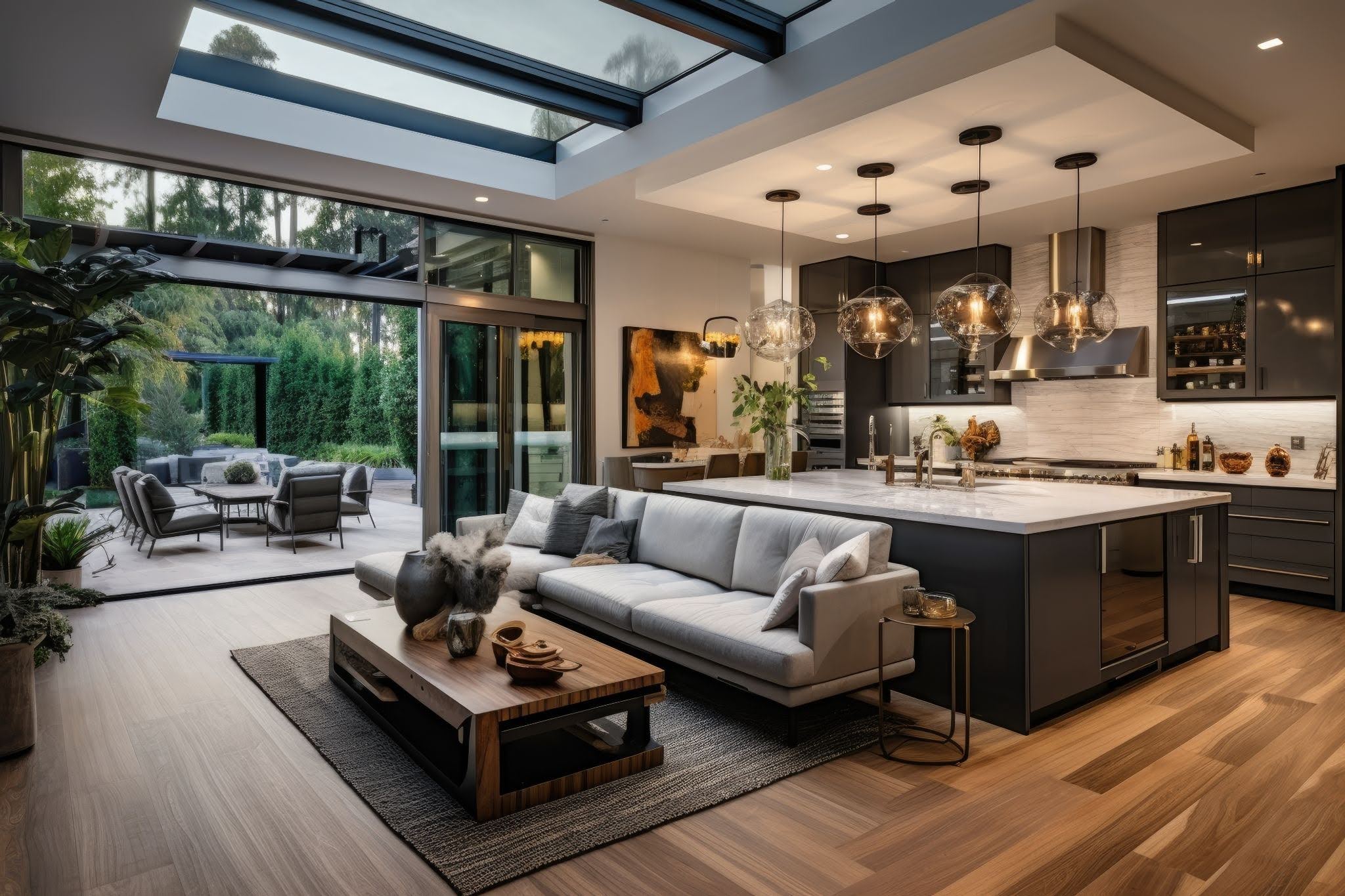
A home renovation often involves multiple professionals working toward the same goal. Contractors, painters, electricians, plumbers, cabinet installers, and flooring specialists must all complete their work in the proper sequence to keep the project on track.
When hardwood flooring is part of a renovation, timing becomes especially important. Installing hardwood too early can expose it to damage, while installing it too late may delay other finishing work. For homeowners in Virginia Beach, Chesapeake, Norfolk, Portsmouth, and Suffolk, understanding how hardwood flooring fits into a larger renovation project can help reduce stress and improve the final outcome.
Whether you're remodeling a single room or updating an entire home, proper coordination between trades is one of the most effective ways to protect your flooring investment.
Why Hardwood Flooring Requires Careful Scheduling
Hardwood flooring is often one of the final major components installed during a renovation. Because it is a finished surface, it must be protected from construction debris, moisture, and heavy trade activity.
Proper scheduling helps prevent:
Surface scratches
Moisture-related issues
Dents and impact damage
Delays caused by unfinished construction work
Additional cleanup and repair costs
An experienced flooring professional can work closely with your renovation team to determine the ideal installation timeline.
Homeowners planning a renovation can learn more about the company's approach by visiting Top Floors.
The Typical Order of a Renovation Project
While every renovation is different, most projects follow a similar sequence.
Common renovation stages include:
Demolition
Structural work
Plumbing and electrical updates
HVAC modifications
Drywall installation and repairs
Painting and finishing
Cabinet installation
Flooring installation
Final trim and touch-ups
Hardwood flooring is generally installed after most dust-producing work has been completed but before certain final finishing details are addressed.
Proper planning helps ensure hardwood floors remain protected throughout the process.
Why Moisture Control Matters During Renovations
Many renovation projects introduce additional moisture into the home.
Examples include:
Fresh drywall compound
Interior painting
Concrete repairs
Plumbing modifications
These activities can temporarily increase humidity levels, which may affect hardwood flooring installation.
Professional installers monitor environmental conditions and often recommend delaying installation until the home reaches stable temperature and humidity levels.
This is particularly important in Virginia Beach and Hampton Roads, where coastal moisture already influences indoor conditions throughout the year.
Coordinating Hardwood Installation with Cabinet Installations
Kitchen renovations often raise questions about the relationship between cabinets and flooring.
Project-specific factors typically determine whether flooring or cabinetry is installed first.
Important considerations include:
Flooring type
Cabinet design
Expansion requirements
Future remodeling flexibility
Professional coordination between flooring and cabinet installers helps create clean transitions and a consistent finished appearance.
Homeowners considering flooring upgrades as part of a kitchen renovation can explore available options when they browse hardwood flooring.
Working Around Electrical and Lighting Upgrades
Electrical work frequently continues throughout a renovation project.
Before hardwood installation begins, electricians should ideally complete:
Rewiring projects
Outlet relocations
Lighting installations
Floor outlet modifications
Completing these tasks beforehand helps reduce traffic across newly installed flooring and minimizes the risk of accidental damage.
Painting Before Hardwood Installation
Many contractors recommend painting walls and ceilings before hardwood flooring installation.
This approach helps:
Prevent paint spills on finished floors
Reduce ladder traffic after installation
Minimize touch-up work near finished flooring
However, final trim painting and minor touch-ups may still occur after flooring has been installed.
Floor protection measures should remain in place whenever other trades continue working near the new flooring.
Preparing Subfloors During a Renovation
Renovations often uncover hidden subfloor issues that need attention before hardwood installation.
Common concerns include:
Water damage
Uneven surfaces
Structural movement
Previous flooring adhesive residue
Damaged plywood or concrete
Addressing these issues early helps prevent project delays and creates a solid foundation for the new flooring.
Homeowners can learn more about available installation solutions by exploring professional flooring services.
Managing Renovation Timelines and Hardwood Acclimation
One common mistake during renovations is failing to account for hardwood acclimation.
Hardwood flooring should be delivered and allowed to adjust to the home's indoor conditions before installation begins.
Proper acclimation helps prevent:
Excessive expansion
Seasonal gaps
Cupping
Crowning
Coastal humidity levels in Virginia Beach make acclimation especially important.
Coordinating delivery schedules with the overall renovation timeline helps installers complete this step without disrupting other work.
Renovating Multiple Levels of a Home
Whole-home renovations often involve flooring installation across multiple floors.
Additional planning may be required for:
Staircase installations
Material staging
Room sequencing
Traffic patterns during construction
Protection of completed flooring areas
Installing hardwood throughout multiple levels can create a cohesive look, but it requires careful scheduling to ensure each phase proceeds smoothly.
Communication Keeps Renovation Projects on Track
One of the most important aspects of renovation coordination is communication between trades.
Effective communication helps:
Prevent scheduling conflicts
Identify potential delays early
Reduce rework
Protect finished surfaces
Improve overall project efficiency
Homeowners who bring flooring professionals into the planning process early often experience fewer surprises during installation.
A personalized Shop At Home consultation can help identify project requirements before construction begins.
Considering Alternative Flooring Materials During Renovations
While hardwood remains a popular choice, some renovation projects benefit from alternative flooring materials depending on room function and moisture exposure.
Luxury Vinyl Plank (LVP)
Luxury vinyl flooring is often selected for:
Mudrooms
Laundry rooms
Basements
Waterfront properties
Benefits include:
Waterproof performance
Durability
Easy maintenance
Homeowners can browse luxury vinyl flooring when comparing options.
Laminate Flooring
Laminate flooring remains popular for homeowners seeking:
Attractive wood-look visuals
Cost-effective upgrades
Strong wear resistance
Explore available options by browsing laminate flooring.
Protecting Newly Installed Floors During Final Construction
After hardwood installation is complete, some trades may still need access to the home.
Proper floor protection should include:
Approved floor coverings
Controlled foot traffic
Protection from tools and equipment
Immediate cleanup of debris
Following these precautions helps ensure the flooring looks its best when the renovation is complete.
Make Hardwood Flooring Part of a Well-Planned Renovation
Hardwood flooring can be one of the most rewarding upgrades in a home renovation, but achieving great results requires proper coordination with other trades. From moisture management and subfloor preparation to scheduling and final protection, every step contributes to long-term performance and appearance.
If you're planning a renovation in Virginia Beach, Chesapeake, Norfolk, Portsmouth, or Suffolk, working with an experienced flooring team can help your project stay organized and on schedule.
To get started:
Visit our Virginia Beach showroom
Explore our collection of hardwood flooring
Learn more about our flooring services
Schedule a convenient Shop At Home consultation
Request a free estimate for your renovation project
Contact our team with questions about coordinating flooring installation during your remodel
With proper planning and professional installation, hardwood flooring can become one of the standout features of your renovated home while delivering beauty and value for years to come.


