

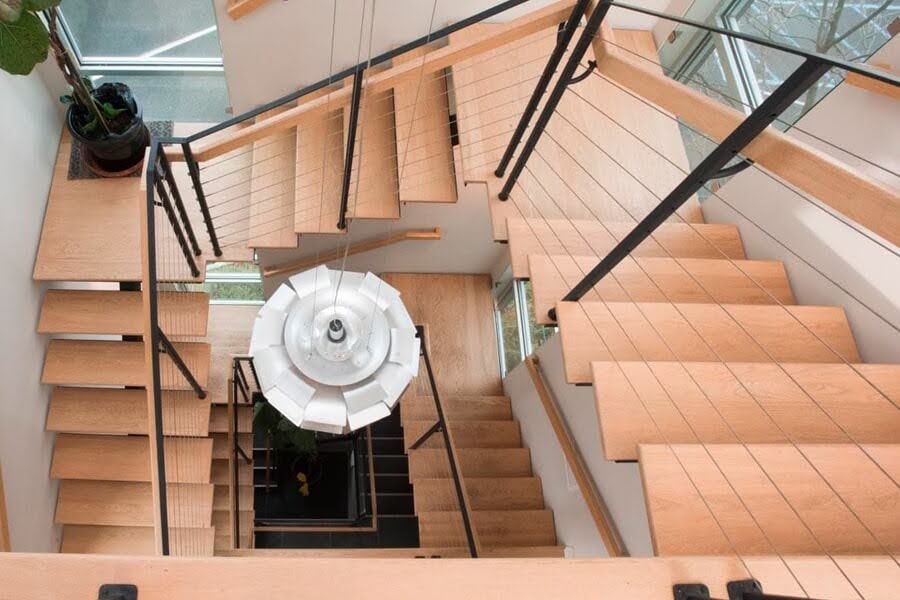
Open stair landings and second-floor hallways play an important role in the overall flow of a home. While these spaces may not receive the same attention as kitchens or living rooms, they connect major areas of the house and often serve as highly visible design features. At Top Floors, homeowners throughout Virginia Beach, Chesapeake, Norfolk, Portsmouth, and Suffolk frequently choose hardwood flooring for these areas to create a seamless transition between levels and enhance the appearance of their entire home.
Installing hardwood flooring on stair landings and upper-level hallways requires careful planning, precise installation techniques, and attention to long-term performance. Understanding what goes into these projects can help homeowners make informed decisions and achieve consistent, beautiful results.
Why Hardwood Flooring Works Well for Stair Landings and Hallways
Second-floor hallways and stair landings often connect bedrooms, bathrooms, home offices, and bonus rooms. Because these areas are highly visible and frequently traveled, selecting the right flooring is important.
Benefits of hardwood flooring in upper-level spaces include:
Consistent visual flow throughout the home
Increased durability for daily foot traffic
Timeless design appeal
Easier coordination with adjacent rooms
Potential enhancement of home value
Many homeowners choose to continue the same flooring from the main level to the second floor, creating a cohesive appearance that feels intentional and professionally designed.
Homeowners can explore available options when they browse hardwood flooring.
The Design Benefits of Continuous Hardwood Flooring
One of the biggest advantages of installing hardwood on stair landings and hallways is the ability to eliminate visual interruptions.
Continuous flooring creates:
Cleaner sightlines
A more open appearance
Better flow between levels
Greater design consistency
This approach is especially popular in newer Virginia Beach homes featuring open floor plans where upper and lower levels are visually connected.
When hardwood flooring extends from living spaces to hallways and stair landings, the entire home often feels larger and more unified.
Planning a Multi-Level Hardwood Installation
Successful upper-level installations begin with proper planning.
Professional installers evaluate:
Existing flooring transitions
Staircase design
Hallway dimensions
Room layouts
Subfloor conditions
Lighting and visibility
These factors help determine the best installation strategy while maintaining consistency throughout the home.
A professional free estimate provides an opportunity to evaluate your home's specific requirements and installation goals.
Stair Landings Require Extra Attention
Unlike standard rooms, stair landings create unique installation challenges because they connect horizontal and vertical surfaces.
Professional installers must carefully coordinate:
Board direction
Stair nosings
Landing transitions
Expansion requirements
Alignment with adjacent flooring
The goal is to create a smooth, natural transition between staircases and the surrounding flooring while maintaining both appearance and safety.
Proper planning ensures the landing feels like a natural continuation of the flooring system rather than a separate design element.
Hardwood Direction and Layout Considerations
Plank direction becomes especially important when installing hardwood across hallways and open landings.
Several factors influence layout decisions, including:
Hallway length
Stair orientation
Adjacent room layouts
Natural light sources
Overall visual flow
Professional installers develop a layout plan that minimizes awkward transitions and supports a cohesive appearance throughout the home.
Managing Traffic in High-Use Areas
Second-floor hallways often experience significant daily traffic because they connect multiple rooms.
As a result, flooring in these areas should be selected with durability in mind.
Homeowners should consider:
Household size
Children and pets
Future maintenance goals
Long-term wear expectations
Many hardwood species perform exceptionally well in hallways when professionally installed and properly maintained.
Sound Considerations for Second-Floor Hardwood Floors
One common concern with upper-level hardwood flooring is sound transmission.
While hardwood creates a beautiful appearance, homeowners sometimes seek ways to reduce noise between floors.
Installation solutions may include:
Appropriate underlayment systems
Engineered hardwood products
Proper subfloor preparation
Professional fastening methods
These measures can help create a more comfortable living environment while preserving the visual benefits of hardwood flooring.
The Importance of Subfloor Preparation
Subfloor preparation remains one of the most important aspects of any hardwood installation.
For second-floor hallways and landings, installers typically inspect:
Structural stability
Flatness
Squeaks or movement
Existing flooring conditions
Moisture levels
Addressing issues before installation helps prevent future problems such as:
Uneven flooring
Squeaking
Joint movement
Premature wear
Homeowners can learn more about installation solutions by exploring our professional flooring services.
Solid vs. Engineered Hardwood for Upper Floors
Both solid and engineered hardwood can be excellent choices for second-floor installations.
Solid Hardwood
Solid hardwood offers:
Authentic wood construction
Long lifespan
Refinishing opportunities
Engineered Hardwood
Engineered hardwood offers:
Greater dimensional stability
Compatibility with more installation methods
Strong performance in coastal climates
Many Hampton Roads homeowners choose engineered hardwood because it performs well in environments with seasonal humidity fluctuations.
Creating Smooth Room Transitions
Hallways often serve as connection points between multiple rooms.
Professional installers carefully plan transitions to ensure:
Consistent board alignment
Clean visual flow
Proper expansion spacing
Long-term performance
These details may seem minor, but they contribute significantly to the overall appearance of a finished flooring project.
Alternatives for Nearby Spaces
While hardwood is often the preferred option for stair landings and hallways, some adjacent rooms may benefit from alternative flooring materials.
Luxury Vinyl Plank (LVP)
LVP is frequently used in:
Laundry rooms
Bathrooms
Moisture-prone areas
Benefits include:
Waterproof performance
Easy maintenance
Excellent durability
Homeowners can compare products when they browse luxury vinyl flooring.
Laminate Flooring
Laminate flooring may be ideal for:
Secondary bedrooms
Budget-conscious renovations
High-traffic family spaces
Many homeowners explore available styles when they browse laminate flooring.
Is Whole-Home Hardwood Right for You?
Many Virginia Beach homeowners choose to extend hardwood flooring beyond main living spaces to create a cohesive design throughout the home.
A whole-home approach can offer:
Consistent aesthetics
Simplified maintenance
Strong resale appeal
Improved visual flow
Second-floor hallways and stair landings often serve as the key connections that tie the entire design together.
A personalized Shop At Home consultation can help determine the best strategy for your home's layout and flooring goals.
Create a Seamless Look from Floor to Floor
Open stair landings and second-floor hallways are more than just passageways. They are important design features that influence the appearance and functionality of your entire home. With thoughtful planning, proper material selection, and professional installation, hardwood flooring can create a seamless connection between levels while delivering durability and timeless style.
If you're planning a flooring project in Virginia Beach, Chesapeake, Norfolk, Portsmouth, or Suffolk, the team at Top Floors can help you choose the right solution for your home.
To get started:
Visit our Virginia Beach showroom
Explore our collection of hardwood flooring
Learn more about our flooring installation services
Schedule a convenient Shop At Home consultation
Request a free estimate for your upcoming flooring project
Contact our team with questions about hardwood flooring for stair landings and upper-level hallways
With professional installation and careful planning, hardwood flooring can create a beautiful, cohesive foundation that connects every level of your home.


