

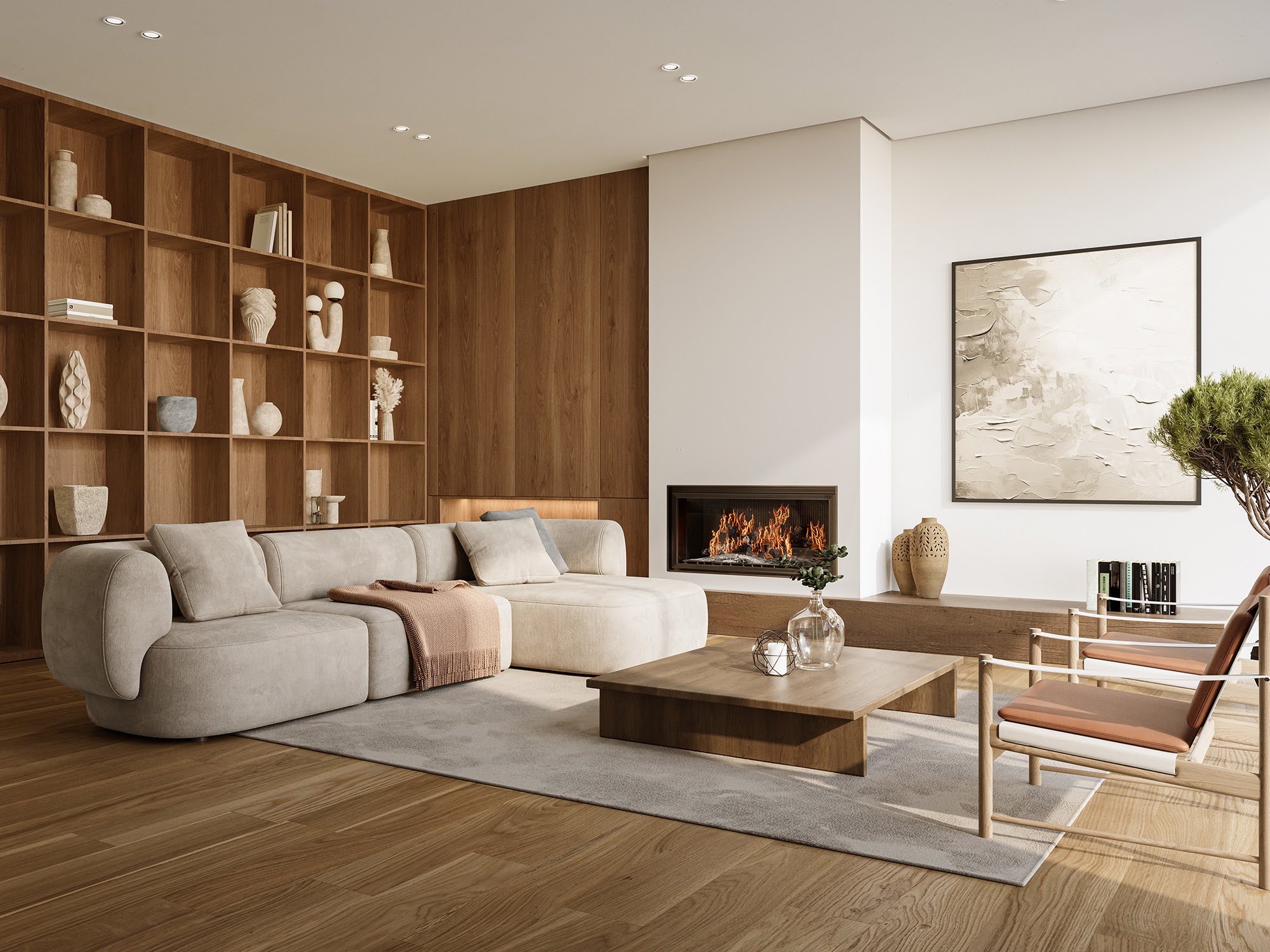
Preparing for new hardwood flooring involves more than choosing the right color, species, and finish. Before installation begins, homeowners should also consider how their furniture, room layout, and daily traffic patterns will work with their new floors. Proper planning helps maximize the appearance of the finished installation while making daily living more comfortable after the project is complete.
At Top Floors, homeowners throughout Virginia Beach, Chesapeake, Norfolk, Portsmouth, and Suffolk often ask how they should prepare their rooms before installation day and whether furniture placement should influence flooring decisions. The answer is yes. Thoughtful planning before installation can improve both the visual impact and long-term performance of hardwood flooring.
Why Room Planning Matters Before Hardwood Installation
Many homeowners focus entirely on the flooring itself without considering how their furnishings will interact with the finished floor.
Planning ahead can help:
Maximize the visual impact of hardwood flooring
Improve room flow and functionality
Reduce future furniture rearrangement challenges
Protect high-traffic areas
Support long-term floor maintenance
A well-planned room layout helps ensure your flooring investment continues to look its best for years to come.
Start with a Clear Vision for Each Room
Before installation begins, think about how each room will be used.
Consider:
Primary traffic patterns
Furniture size and placement
Entertainment areas
Children's play spaces
Work-from-home setups
Pet activity zones
Understanding how a room functions allows installers and homeowners to make better decisions regarding flooring direction, transitions, and overall design flow.
Homeowners can explore available styles and finishes when they browse hardwood flooring.
Furniture Placement Can Influence Flooring Direction
One of the most overlooked aspects of flooring installation is plank direction.
Professional installers typically consider:
Room dimensions
Natural light sources
Hallway alignment
Open-concept layouts
Visual sightlines
Furniture placement can also affect how flooring appears. Large furniture pieces such as sectionals, dining tables, and entertainment centers often become focal points within the room.
Proper planning helps ensure the flooring complements these focal areas and contributes to a cohesive design.
Planning for Open-Concept Spaces
Many homes throughout Virginia Beach feature open-concept layouts where living rooms, kitchens, and dining spaces flow together.
In these environments, furniture placement helps define separate functional zones while maintaining a unified appearance.
Hardwood flooring works particularly well in open-concept homes because it:
Creates visual continuity
Enhances spaciousness
Allows flexible furniture arrangements
Supports future design updates
Careful planning before installation helps ensure furniture placement and flooring layout work together rather than compete visually.
Preparing Furniture Before Installation Day
One of the most important parts of project preparation involves furniture management.
Before installation begins, homeowners should:
Remove small furniture items
Empty closets if included in the project area
Clear decorative accessories
Remove fragile items from walls and shelving
Discuss large furniture pieces with the installer
Planning these details in advance helps keep the project on schedule and creates a safer work environment.
Homeowners can discuss project preparation requirements during a Shop At Home consultation.
Consider Future Furniture Changes
While it is tempting to design around current furniture, homeowners should also think long term.
Questions to consider include:
Are new furniture purchases planned?
Will rooms be repurposed in the future?
Is a growing family expected to change room usage?
Will the home eventually be sold?
Hardwood flooring offers flexibility because it works well with a variety of furniture styles and room layouts. Planning for future needs helps maximize the value of your flooring investment.
Protecting High-Traffic Areas
Every home has natural pathways where foot traffic is concentrated.
Common high-traffic zones include:
Entryways
Hallways
Kitchen work areas
Living room walkways
Stair landings
Furniture placement can help direct traffic and reduce concentrated wear patterns.
Homeowners often use area rugs to help protect these spaces while maintaining the beauty of hardwood flooring. You can explore stylish options when you browse area rugs.
The Relationship Between Area Rugs and Hardwood Floors
Area rugs remain one of the most effective ways to protect hardwood flooring while enhancing interior design.
Benefits include:
Reduced wear in busy areas
Additional comfort underfoot
Noise reduction
Flexible style updates
When planning room layouts, homeowners should consider where rugs may eventually be used so flooring patterns and furniture placement work together harmoniously.
Furniture Pads and Floor Protection
After installation is complete, protecting hardwood floors should become part of regular home maintenance.
Simple steps include:
Adding felt pads to furniture legs
Avoiding dragging heavy furniture
Using protective mats beneath rolling chairs
Lifting furniture during rearrangement
These precautions help reduce scratches and preserve the floor's appearance over time.
Hardwood Flooring for Family Rooms and Living Spaces
Family rooms often experience the highest levels of daily activity.
When planning furniture placement in these spaces, consider:
Entertainment center locations
Traffic routes between seating areas
Children's activity areas
Pet beds and feeding stations
A thoughtful layout can improve both room functionality and floor longevity.
Many homeowners in Hampton Roads choose hardwood because of its ability to withstand changing design trends while maintaining long-term appeal.
Comparing Hardwood, Laminate, and LVP for Different Rooms
Room usage may influence not only furniture placement but also flooring selection.
Hardwood Flooring
Hardwood remains a preferred choice for:
Living rooms
Dining rooms
Home offices
Bedrooms
Benefits include:
Authentic wood beauty
Long lifespan
Timeless appeal
Explore options when you browse hardwood flooring.
Laminate Flooring
Laminate can work well in:
Children's rooms
Secondary living spaces
Active households
Benefits include:
Scratch resistance
Budget-friendly pricing
Wood-look visuals
Homeowners can browse laminate flooring to compare styles.
Luxury Vinyl Plank (LVP)
LVP is frequently selected for:
Kitchens
Entryways
Mudrooms
Homes with pets
Benefits include:
Waterproof performance
Easy maintenance
Excellent durability
Many families choose to browse luxury vinyl flooring when evaluating options for high-activity areas.
Why Professional Planning Improves Installation Results
Professional installers consider much more than simply fitting flooring into a room.
They evaluate:
Room dimensions
Furniture placement considerations
Lighting conditions
Traffic patterns
Transition locations
Long-term functionality
These details contribute to a finished floor that not only looks beautiful but also works effectively within your daily lifestyle.
Homeowners can learn more about available flooring installation services before beginning their project.
Prepare Your Home for a Successful Flooring Installation
Thoughtful room planning and furniture placement can significantly improve the results of a hardwood flooring project. By considering how your family uses each space before installation begins, you can create rooms that are both beautiful and functional.
Whether you're updating a single room or installing hardwood throughout your entire home, proper preparation helps ensure a smoother project and better long-term performance.
To begin planning your flooring project:
Visit our Virginia Beach showroom
Explore our collection of hardwood flooring
View our professional flooring services
Schedule a personalized Shop At Home consultation
Request a free estimate for your upcoming installation
Contact our team with questions about preparing your home before flooring day
With careful planning and expert installation, your new hardwood floors can provide lasting beauty, comfort, and value while complementing your home's furniture, layout, and lifestyle.


